
Loading events…
Loading events…
Every listing on Evenz is checked before it reaches you — sellers authenticated, tickets validated, and every order backed by the Evenz Buyer Guarantee.
Loading event…
Watch
About
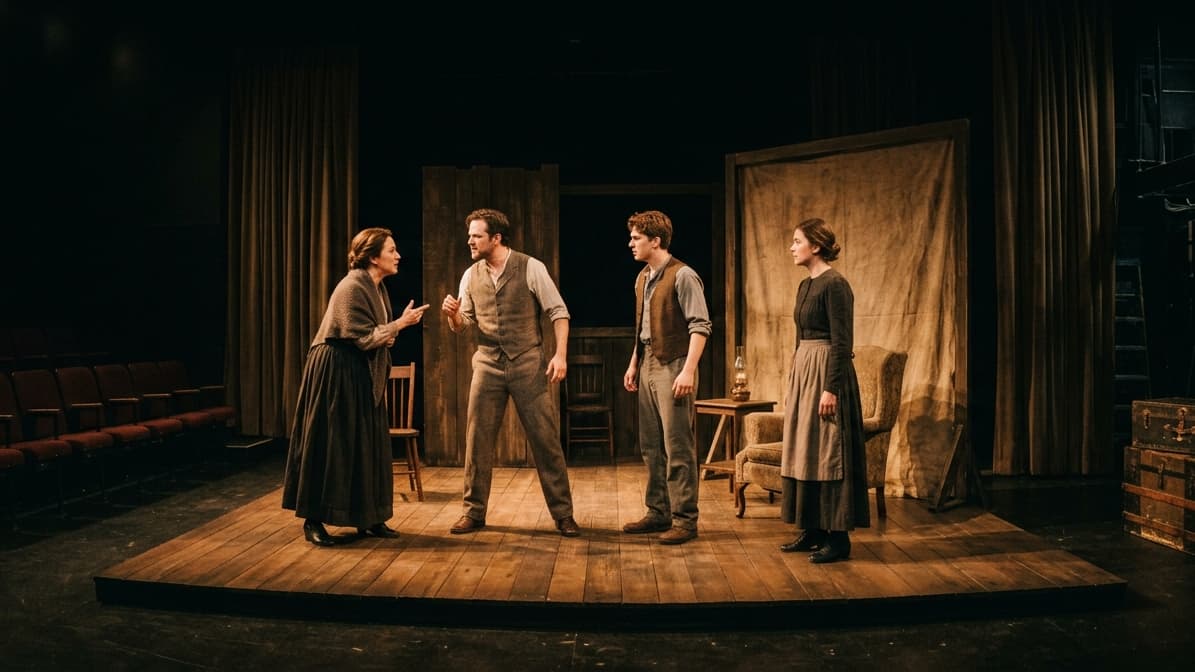
Julius Caesar opens with a city celebrating a man who has become too powerful for the people who made him. A group of senators decide, each for reasons they can justify to themselves, that he has to be killed. The assassination happens early. The play is about the afterwards.
Brutus is talked into it by an argument he largely supplies himself; Cassius wants it for reasons less noble and rather more honest; Caesar ignores every warning he is given. Once he is dead, Mark Antony asks to speak at the funeral, and a single speech turns the crowd against the conspirators. What follows is civil war, and the discovery that removing a tyrant does not restore a republic.
Shakespeare wrote it around 1599, drawing on Plutarch, and it is one of his tightest constructions: no subplot, a small number of decisions, and consequences that arrive fast. Rhetoric is the mechanism. The play is a demonstration of how public speech moves a crowd, and of how quickly a crowd becomes a mob.
It is also domestic in places: two marriages, a quarrel between friends that plays like a break-up, and a man who cannot sleep. The politics land because the people making the decisions are exhausted, self-deceiving and convinced they are doing the right thing.
It suits audiences who want Shakespeare at his most direct. It works best live, where the funeral speech is played to the actual room and the audience becomes the crowd the scene is describing. Very little in it is ceremonial; almost every scene is somebody trying to persuade somebody else.
The venue
320 Porter Ave, Buffalo, New York

The venue
The D'Youville Kavinoky Theatre
Browse seats and prices
Exact seat and entrance details are on your ticket after purchase.
Venue page
Upcoming events
33
Location
Buffalo, New York
JW Marriott San Francisco Union Square · San Francisco